Leaderboard




Popular Content
Showing content with the highest reputation since 10/21/26 in Posts
-
Star Trek hub – an empty project ready for you to add your own sensors; send me a message and I’ll provide a link to download it for free from Google Drive. https://drive.google.com/file/d/116QvYVlYAjE0OojX9uvG5k7Tg-uNPcuf/view?usp=drive_link2 points
-
Hi everyone! 👋 I've just finished a new AIDA64 SensorPanel design and wanted to share it with you all! This is a 1920×720 bundle featuring 5 different color variations, with a clean, minimal sci-fi style and detailed hardware monitoring. You can check out my new designs here: https://www.etsy.com/listing/4602711075/aida64-sensorpanel-bundle-5-sci-fi-hud What do you guys think of this style? Do you like this kind of minimal futuristic design? I'd love to hear your thoughts and feedback! 😊 Thanks for checking out my work! HUD5-5Colors-LiveSim-15s-16x9.mp42 points
-
@Mice007 @JariKoi, I updated AIDA64 to version 8.40.8518 using the "Check for Updates" option in the program menu. However, the AIDA FPS sensor was still not working, even after restarting the system. I then manually downloaded the portable ZIP package, removed the old AIDA64 folder, and extracted the new version. After doing that, I was able to read the AIDA FPS sensor again. I tested it with both Tom Clancy's The Division 2 and Control: Resonance, and the AIDA FPS reading is now working correctly in both games. Thank you so much for the fix!🙏2 points
-
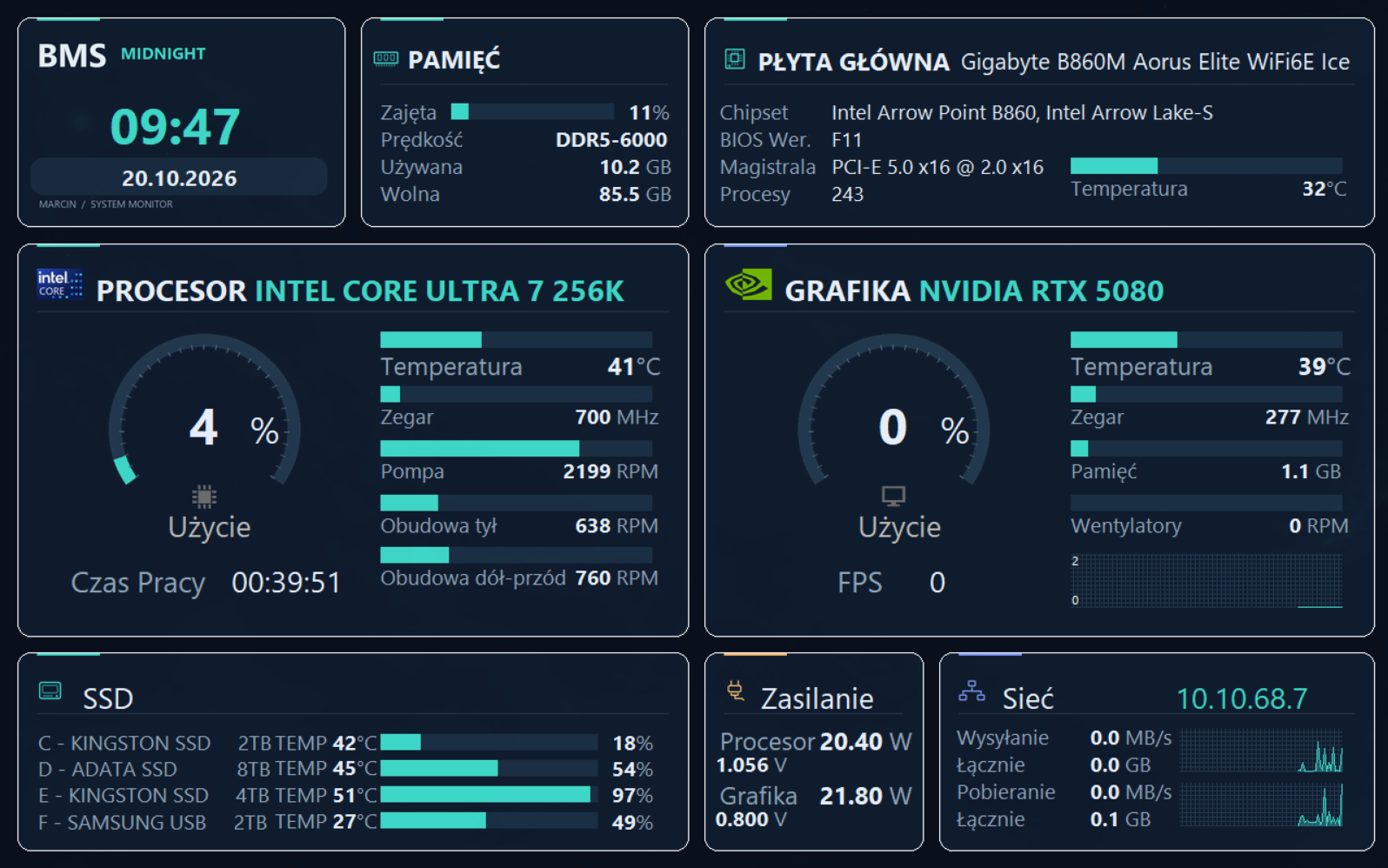
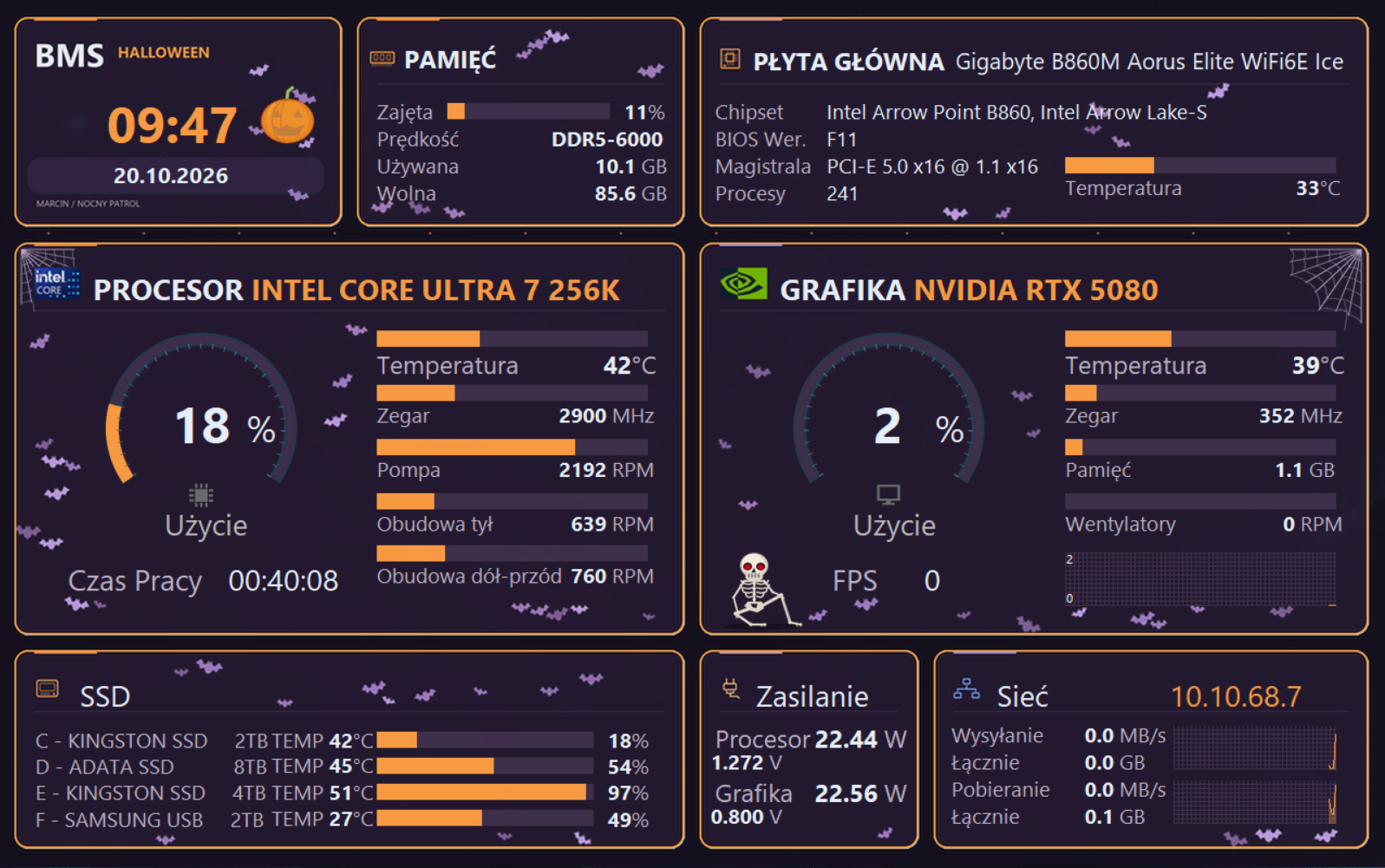
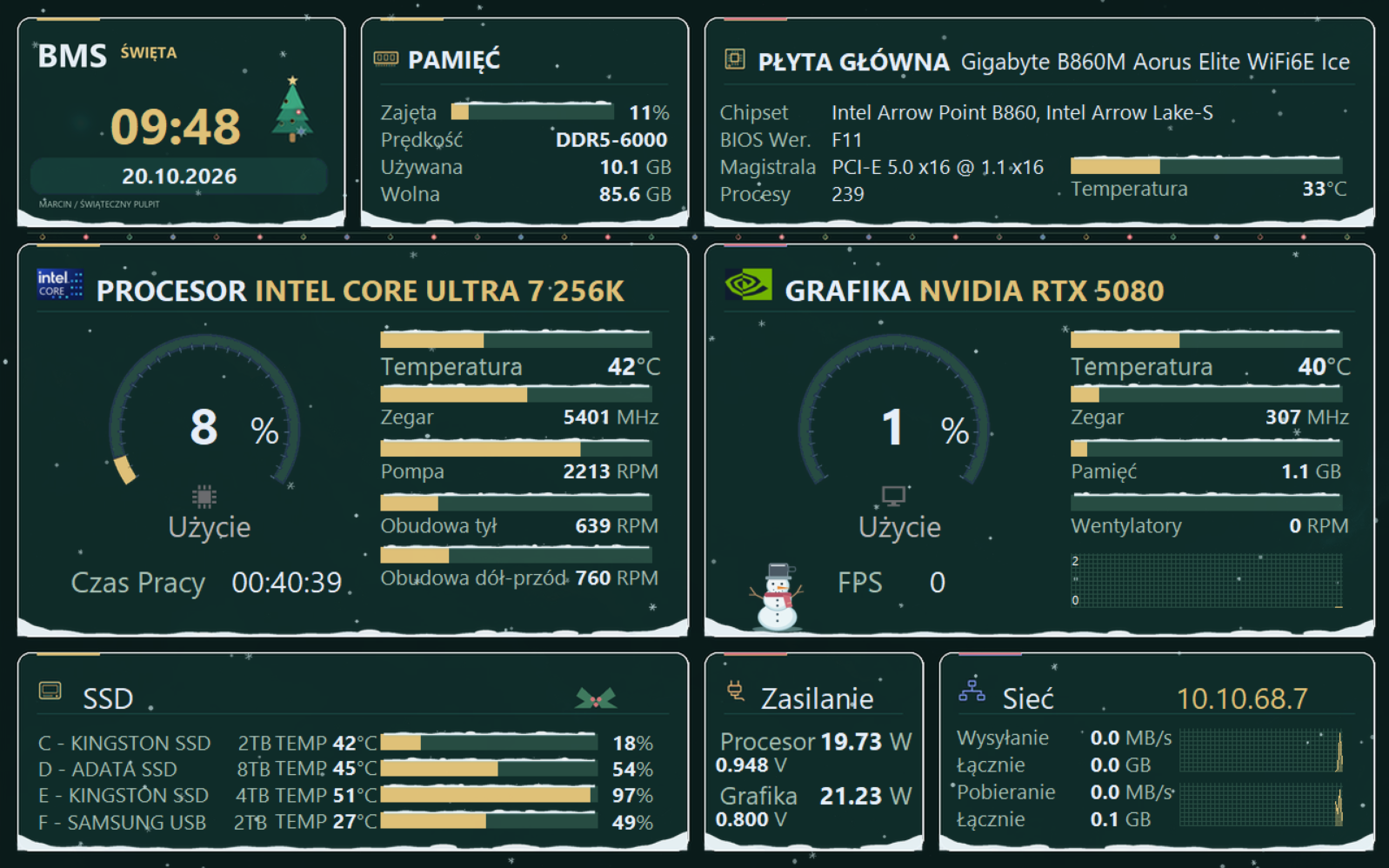
1280x800 PL + EN ver. BMS-Halloween.spzip BMS-Boze-Narodzenie.spzip BMS-Midnight-blue.spzip BMS-Christmas-EN.spzip BMS-Midnight-EN.spzip BMS-Halloween-EN.spzip
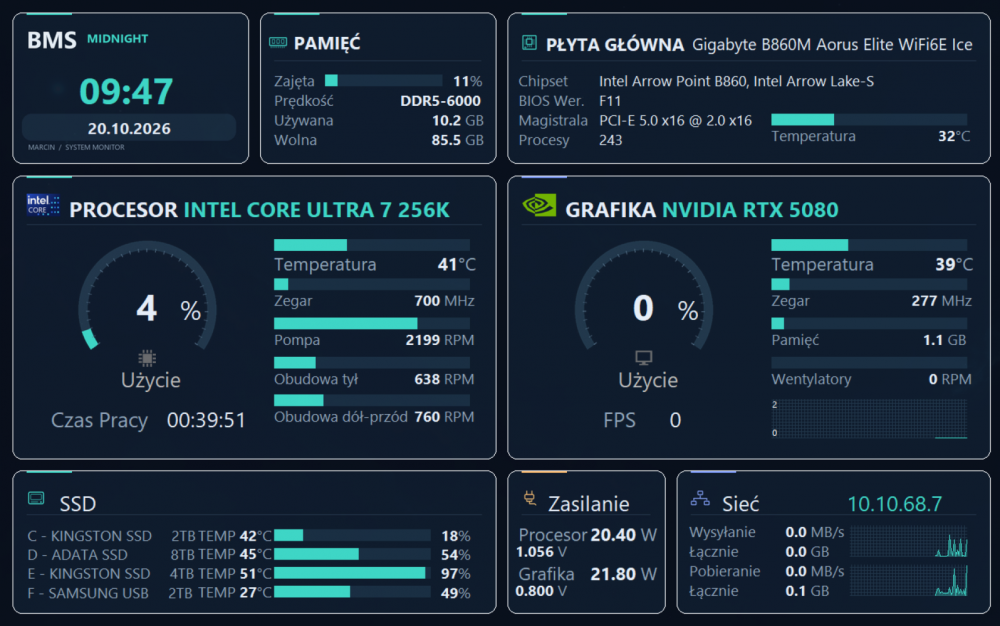
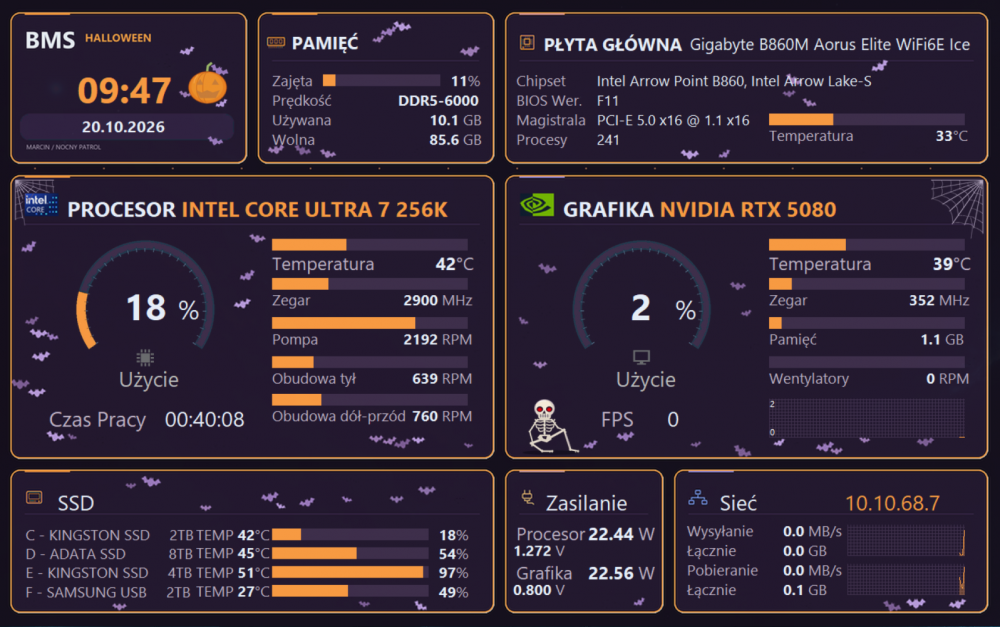
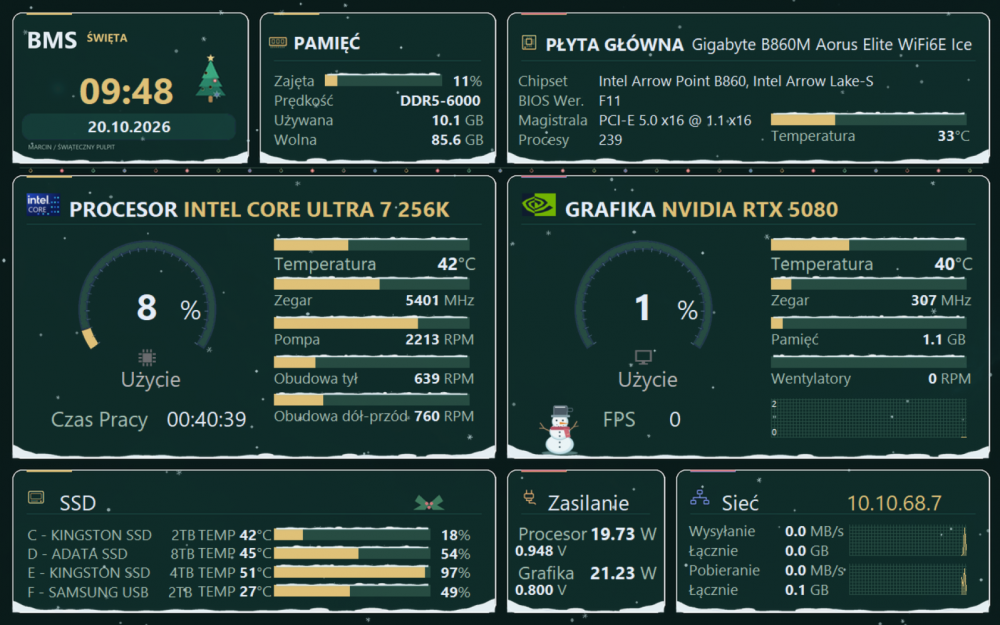 2 points
 -
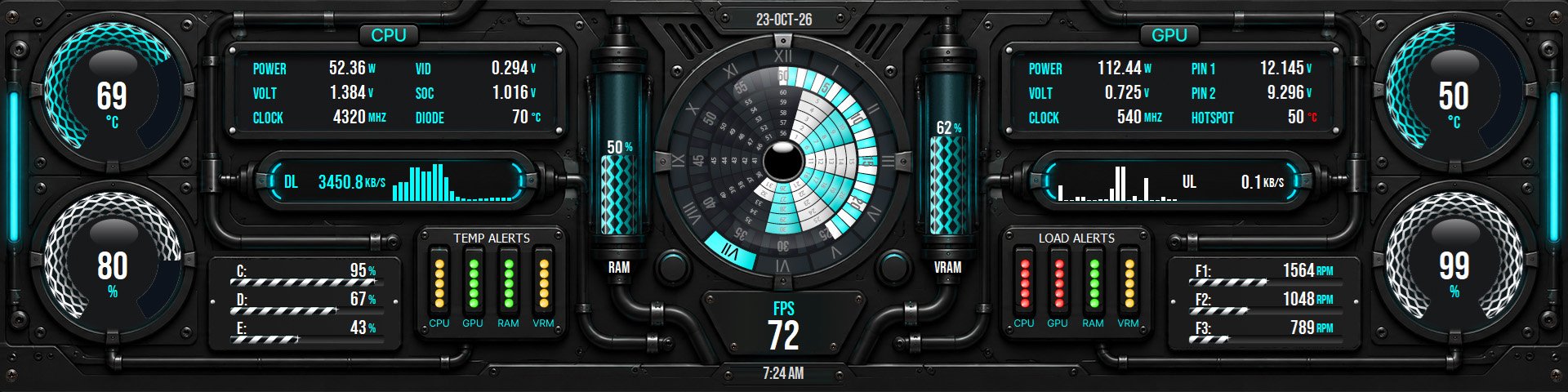
Another project featuring customizable sensor displays for an 8.8-inch 1920x480 screen; if you’d like to download it, just let me know and I’ll provide a link to a free download from Google Drive.1 point
-
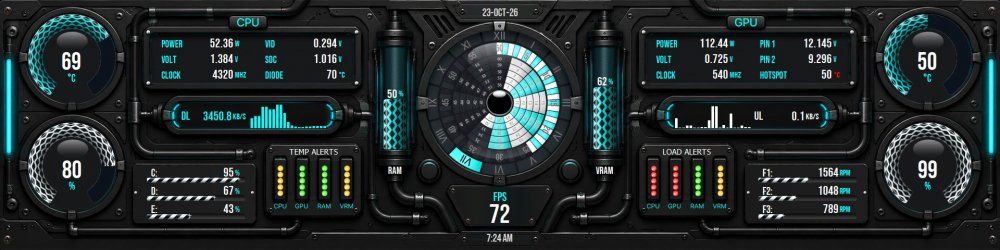
Discover the Future of Time with “OrbiNex - C8”! Where innovative clockwork meets intelligent monitoring - a bold fusion of precision, style, and futuristic engineering! Size: 1920x480 & 2560x720 Instant Download: https://surjeetskins.etsy.com/in-en/listing/4602870308/aida64-sensor-panel-template-for-pc Need a custom fit? Your panel, your way - tailored dimensions on request: 3840x1100 | 1280x800 | 1024x768 | 1920x720 | 1920x1080 & more! Precision which matters: Smart Alerts: Temperature & Load: CPU · GPU · RAM · VRAM Dynamic Utilization: RAM · VRAM: 100 States with moving numbers Reimagined Time: An innovative clock featuring separate circular displays for Hours, Minutes & Seconds! Every degree. Every cycle. Every second - engineered to perfection. Note: Requires AIDA64 v7.70.7500 or Beta v7.99.7829 or above. Please click here to send me a PM to claim your exclusive Sensor Panel. Frontier of Precision - Where engineered design meets pure accuracy with zero compromise. Explore more on my webpage: Surjeet Skins Reading Data to Designing the Extraordinary!!
 1 point
 -
Great, thanks for the feedback. Probably the DLL was stuck when you tried to update. Post in this topic if you experience any issues with this version.1 point
-
Please update to latest beta version, we have implemented some changes and fixes of how AIDAFPS handles its sessions and different scenarios. Let me know what you experience with it.1 point
-
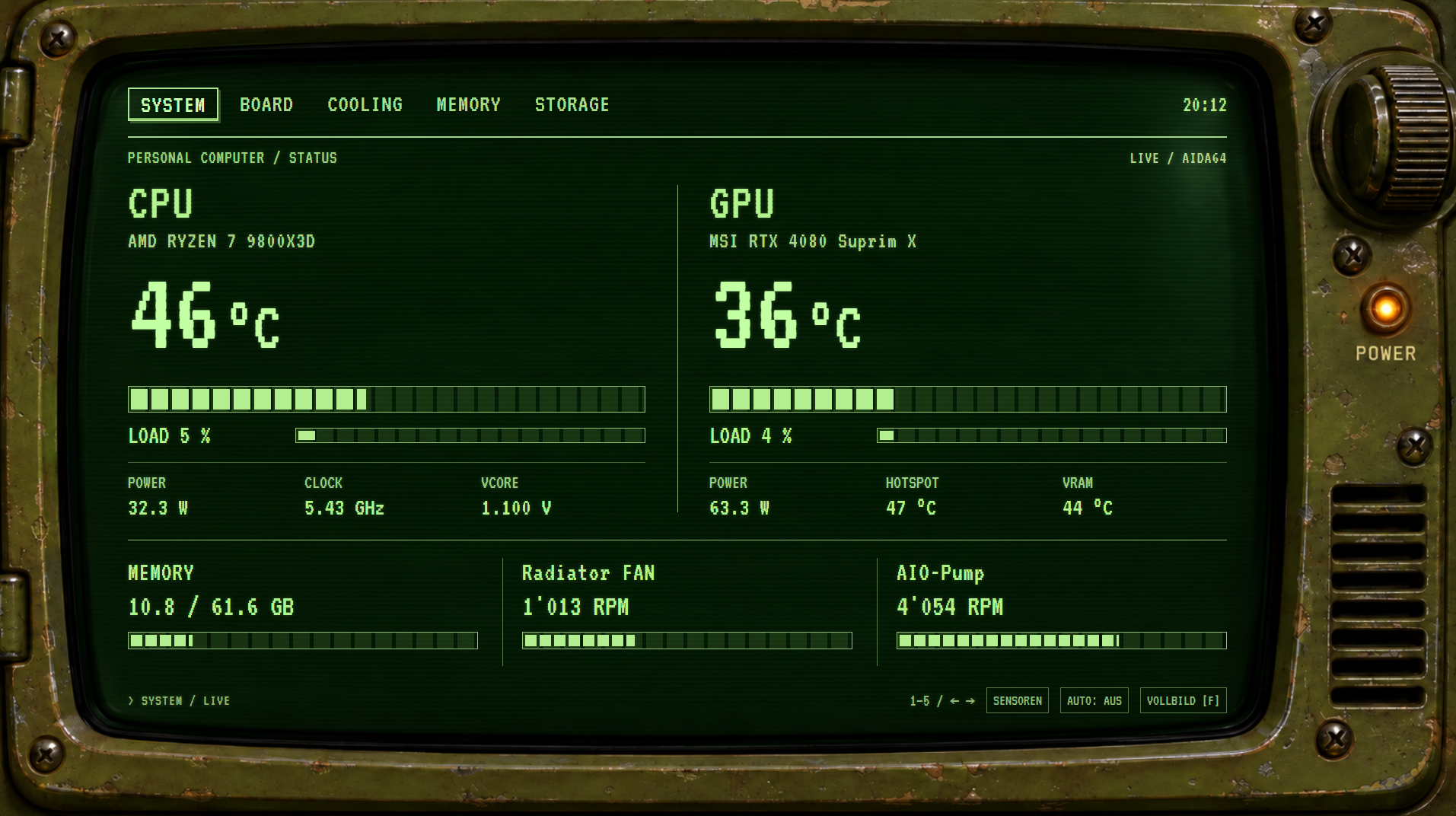
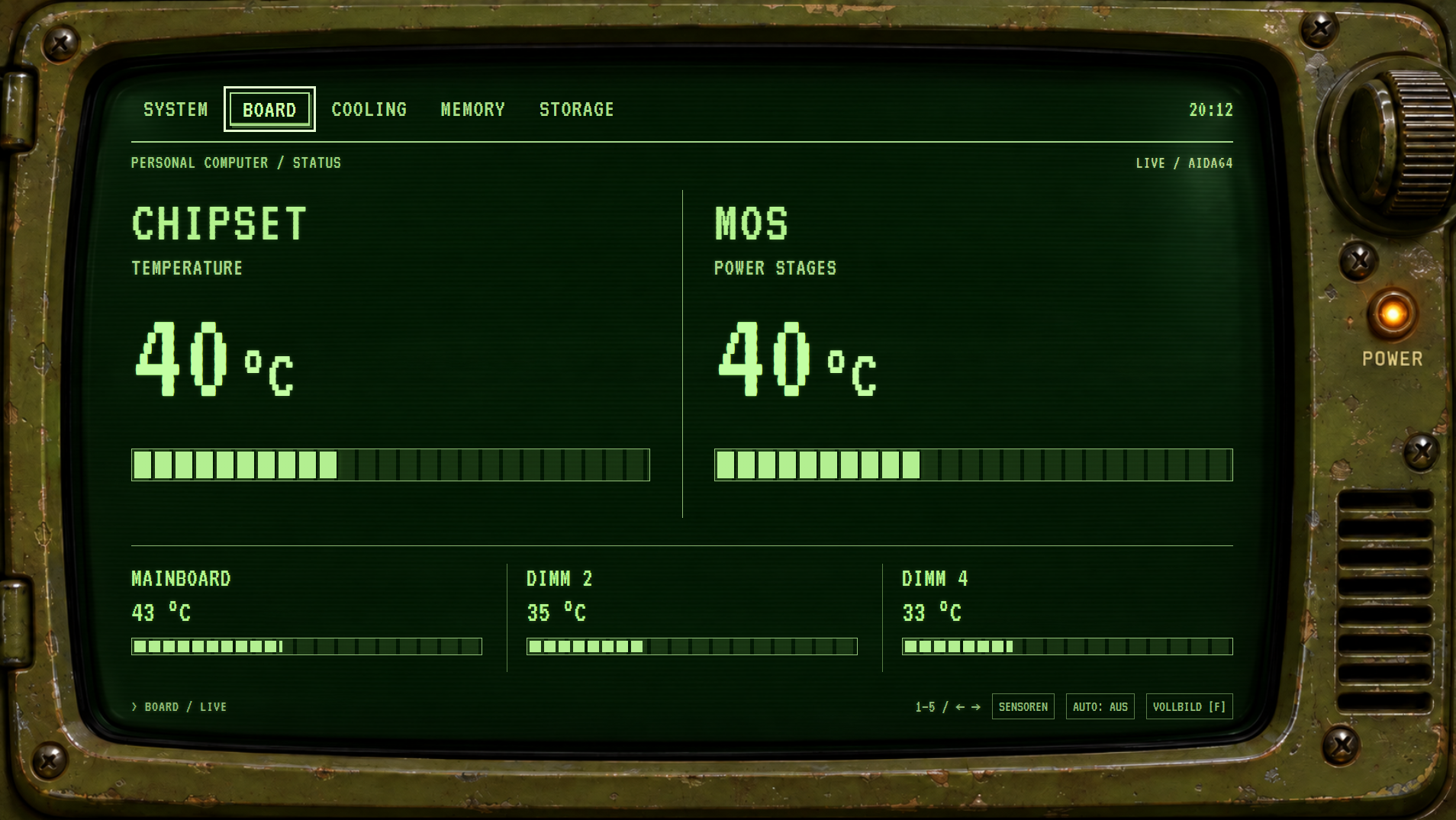
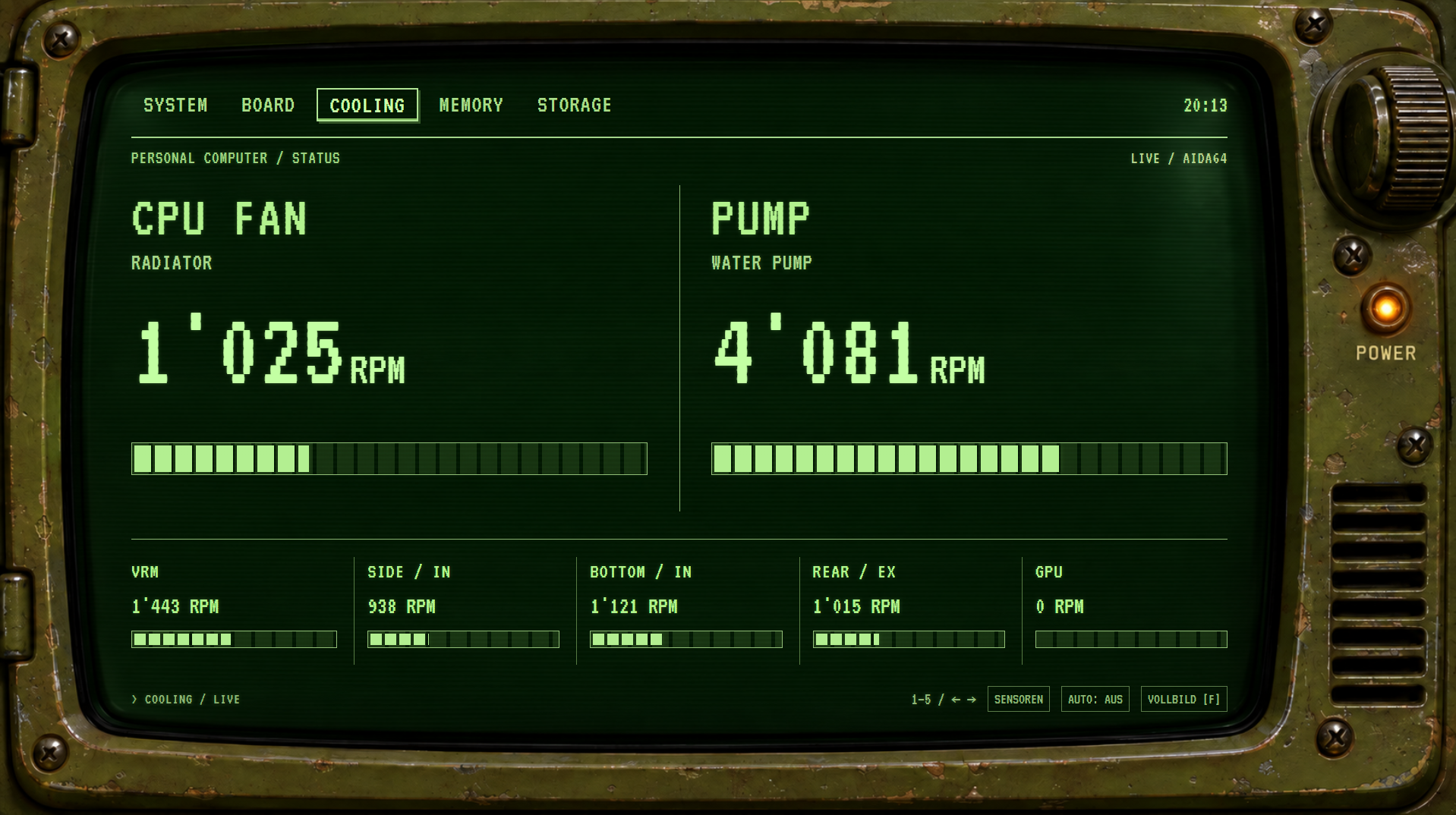
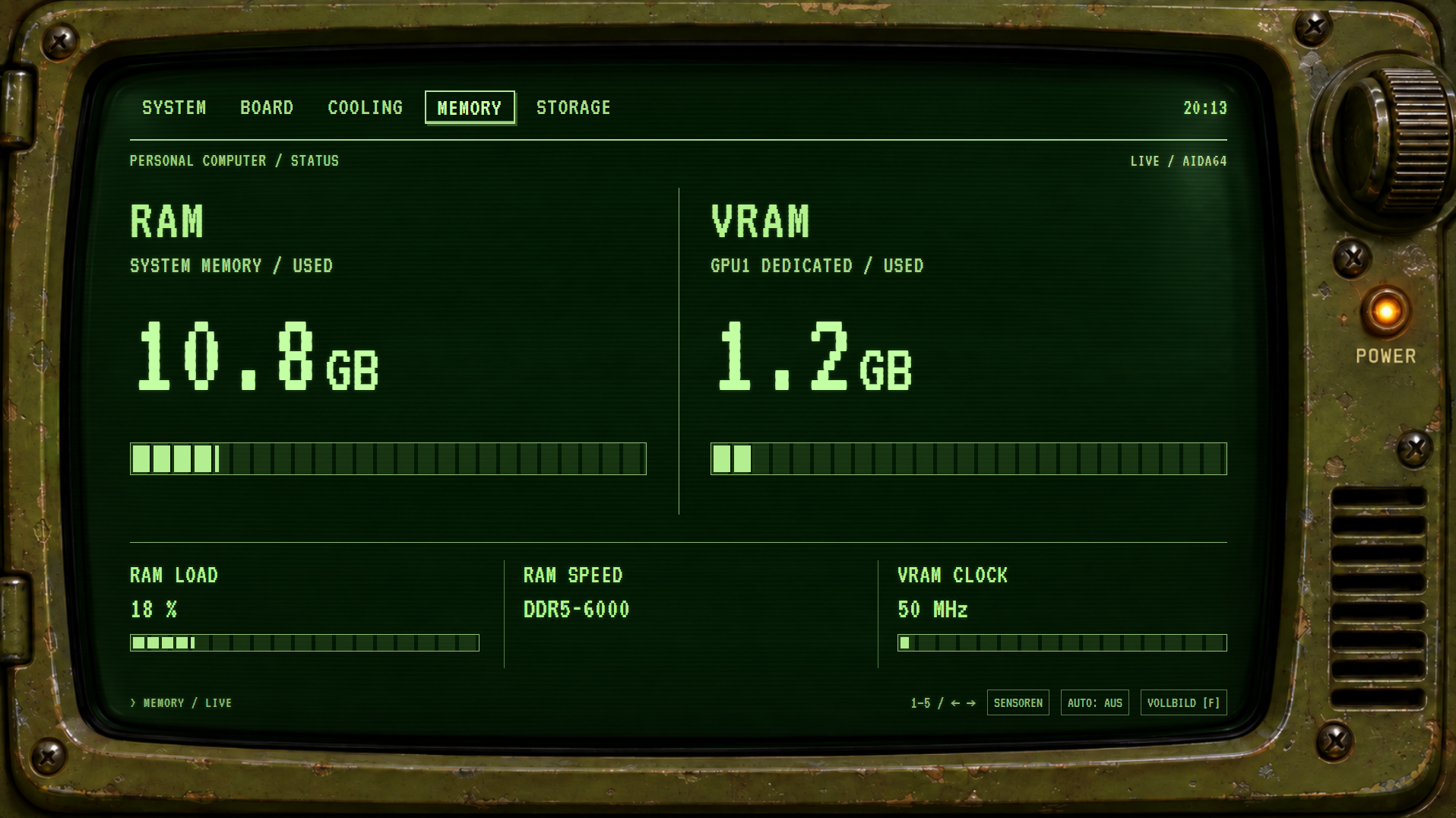
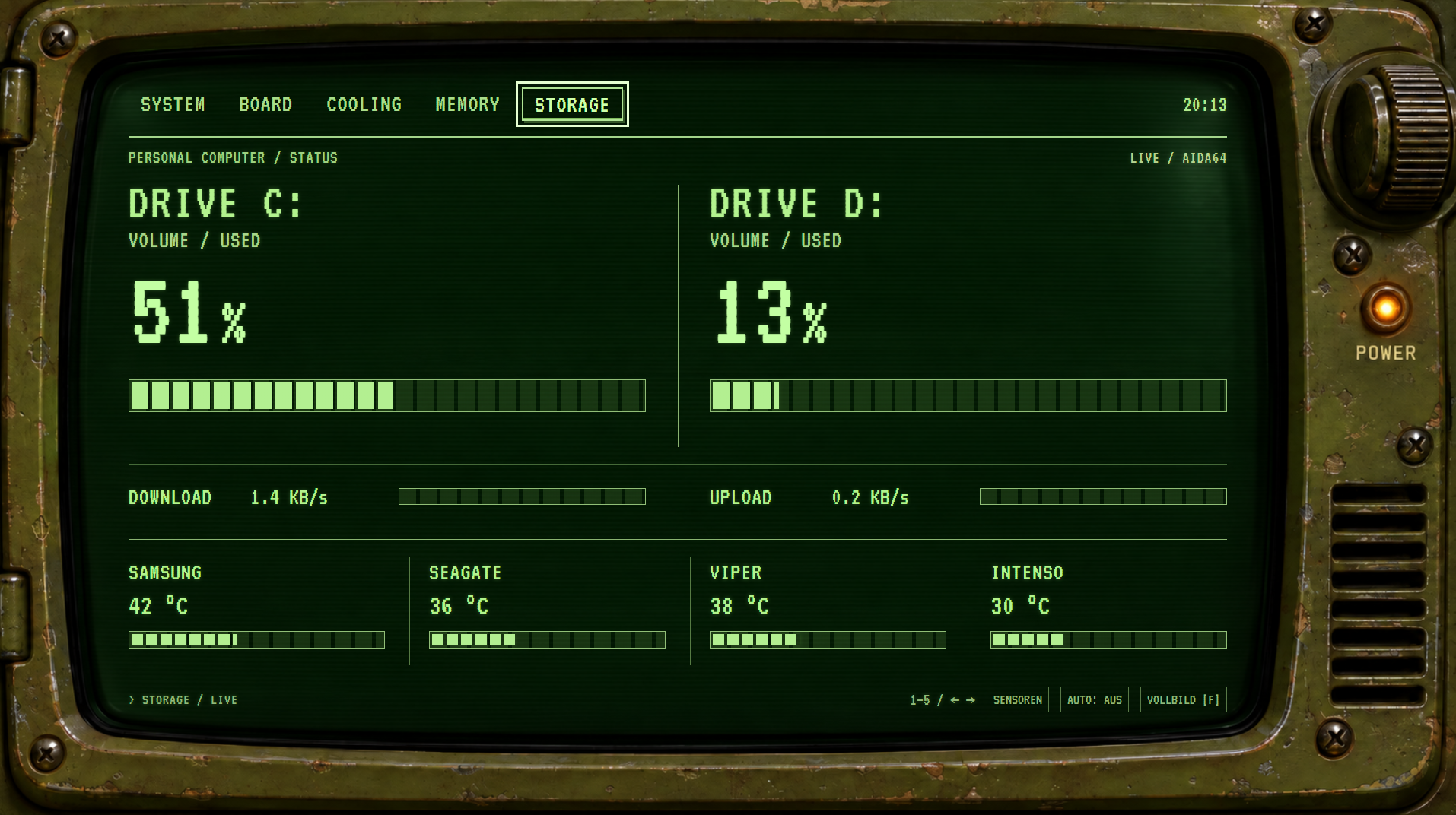
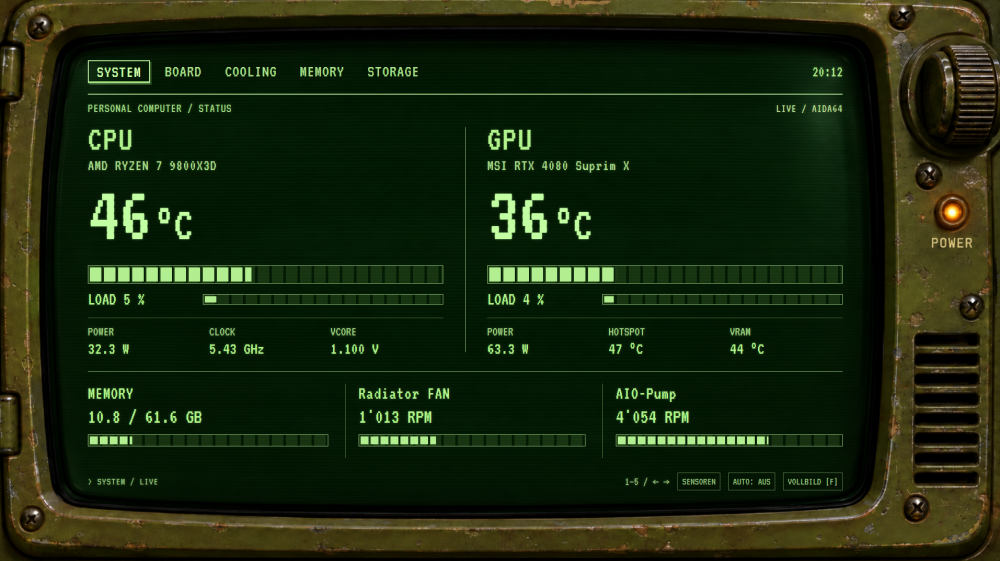
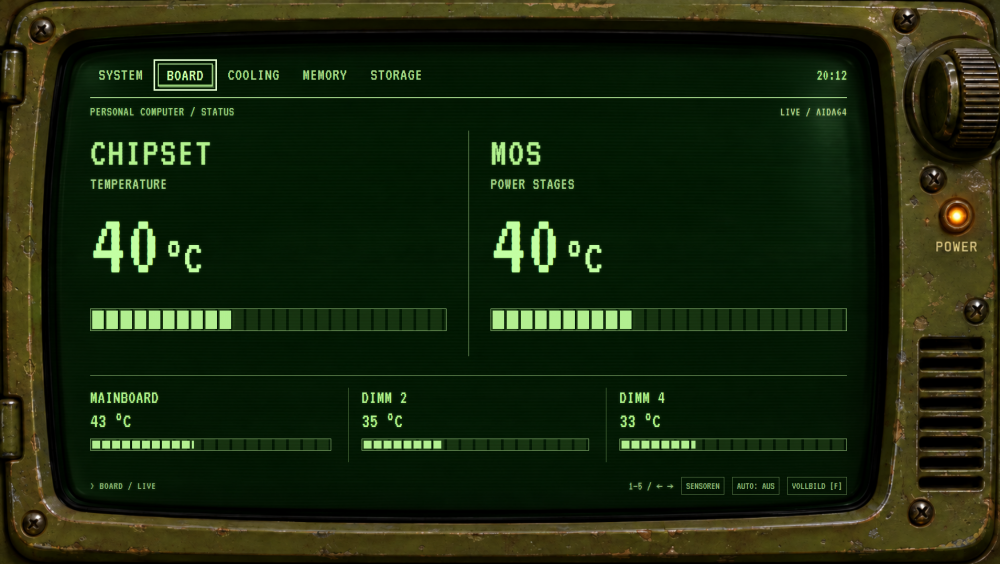
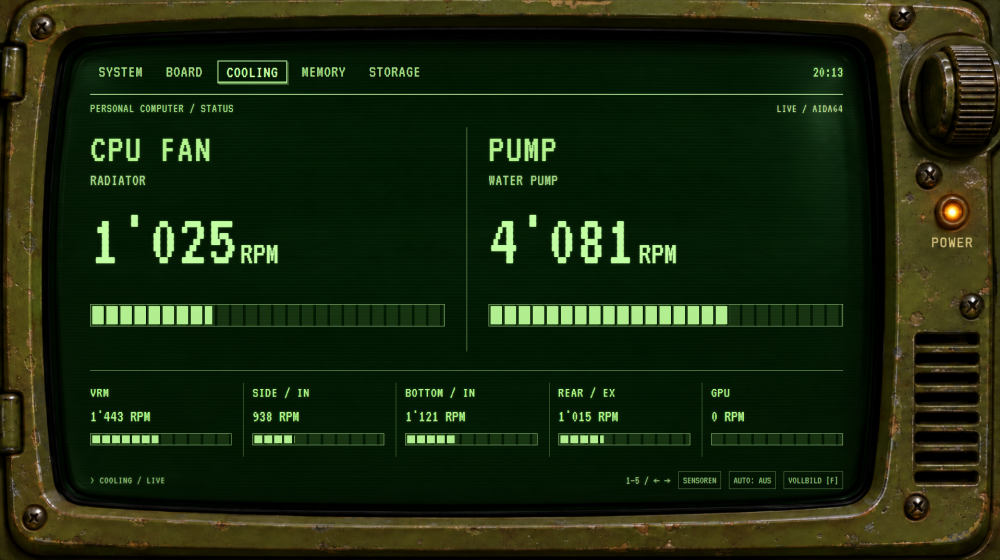
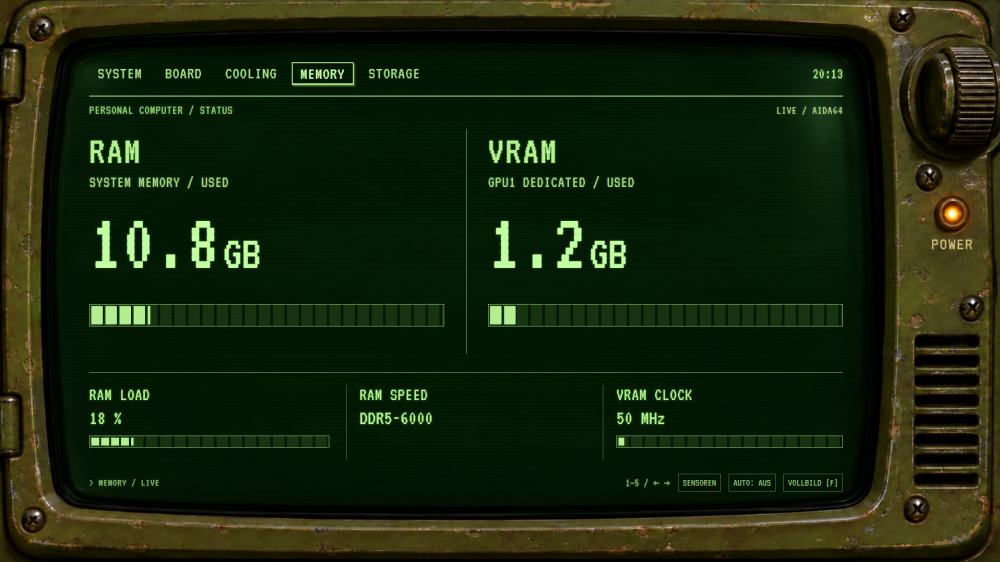
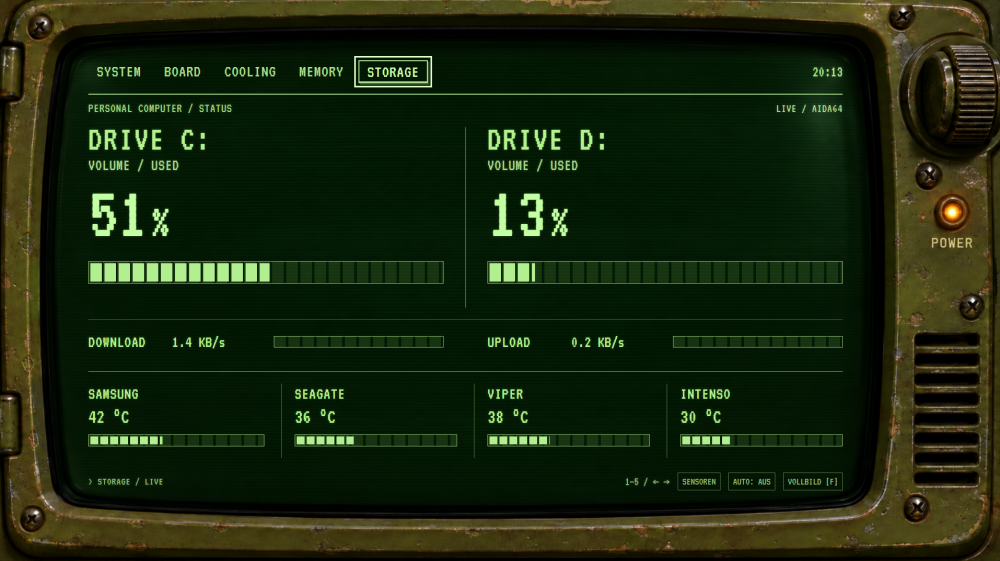
Hey, long time no see. I am not sure if it is "allowed" or "welcome", but I took a new approach and created a small Programm to extract AIDA64 Data and create a "new kind" of Sensor Panel.. If this is common and I have not seen it before, sorry. But here is what I did: I made a Fallout Pip-Boy Version of a Sensor Panel with 5 different pages to click through, or have it automatically cycled through. What do you think?
 1 point
 -
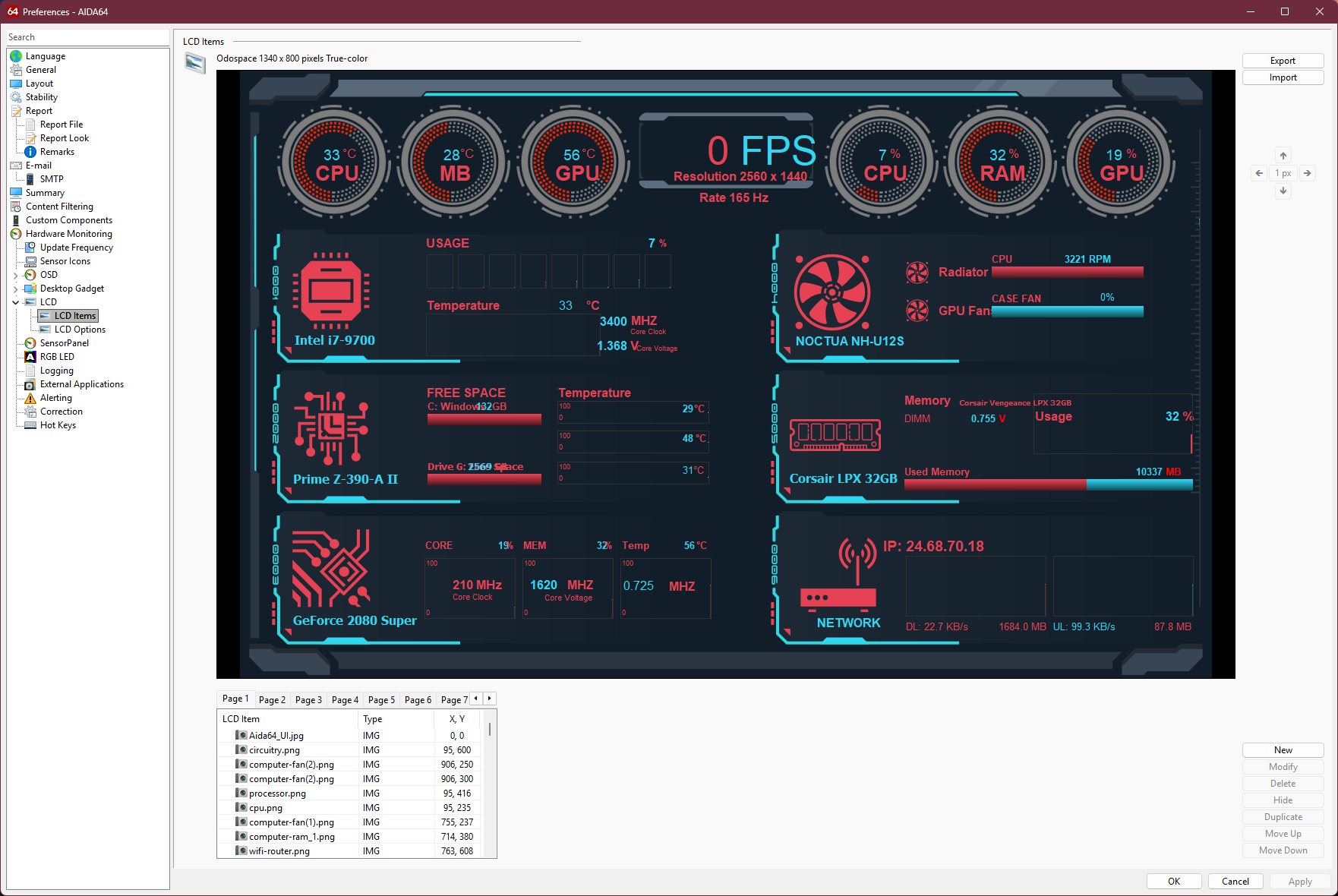
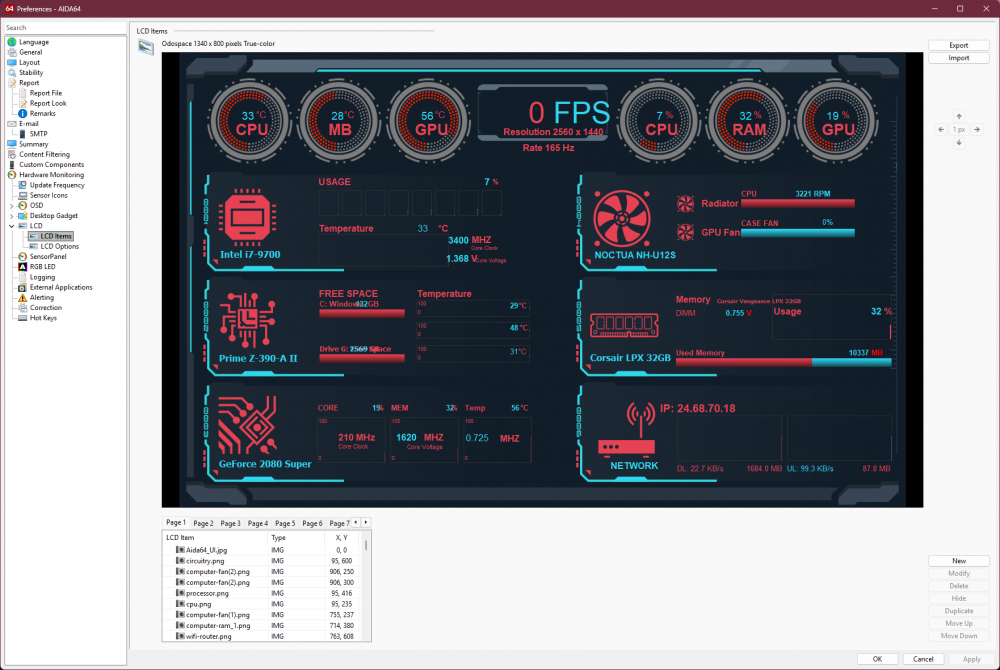
What a WILD time to be alive. My old 1280x800 random-brand tablet officially "died" (battery/charger issue), so it's been replaced by Samsung A7 Lite tablet I wasn't using. This "new" tablet has 1340x880 resolution, so I hid the Navigation Bar, and essentially centered the old panel I was using (which I found here in 2022). Massive shoutout to ChatGPT for helping me install Odospace Remote Panel (2015 APK) on this device (via ADB debugging / sideloading) AND for centering/customizing the old Odospace Remote Panel file. I've attached it here and will try to list a screenshot too. This one was too good to give up! Odospace Remote Panel 2026-10-03.oslcd
 1 point
 -
I am currently busy, but once I am free, I will upload the modified file for you. What are the processor, graphics card,RAM Speed and drive name? C . D The processor name is printed in the image; you need to change it.1 point
-
Thank you! We've implemented sensor adjustments in the latest AIDA64 update of v8.40 available at: https://www.aida64.com/downloads/latesta64xe1 point
-
Hello. Another panel with an attempt at animation as a retro-style clock, with moving gears and pointers. See you at If you like it, let me know and I'll provide a download link from Google Drive, free of charge, of course. It can't be published here due to the large number of images; the file exceeds the available limit.1 point
-
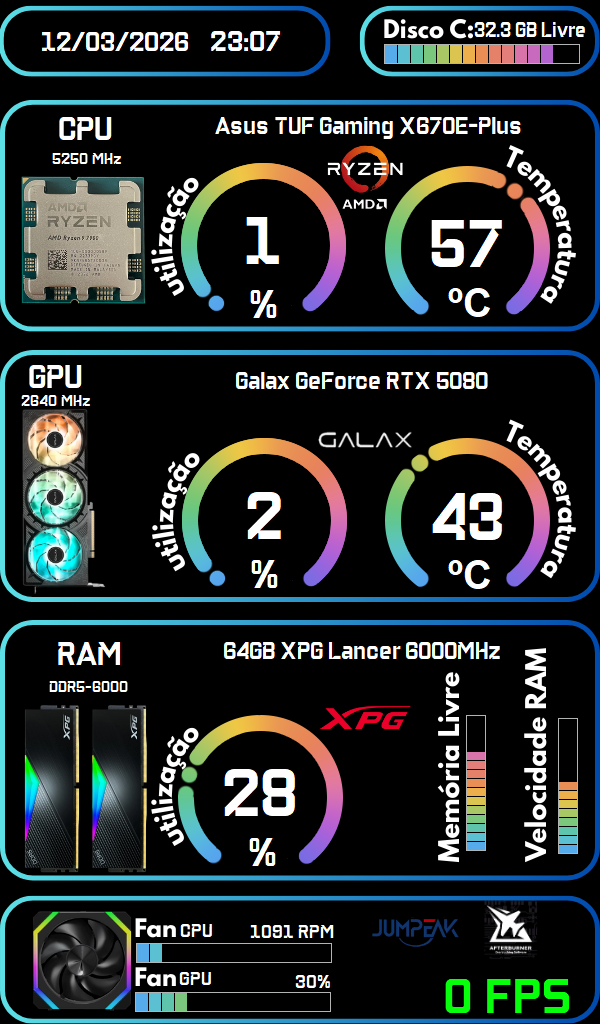
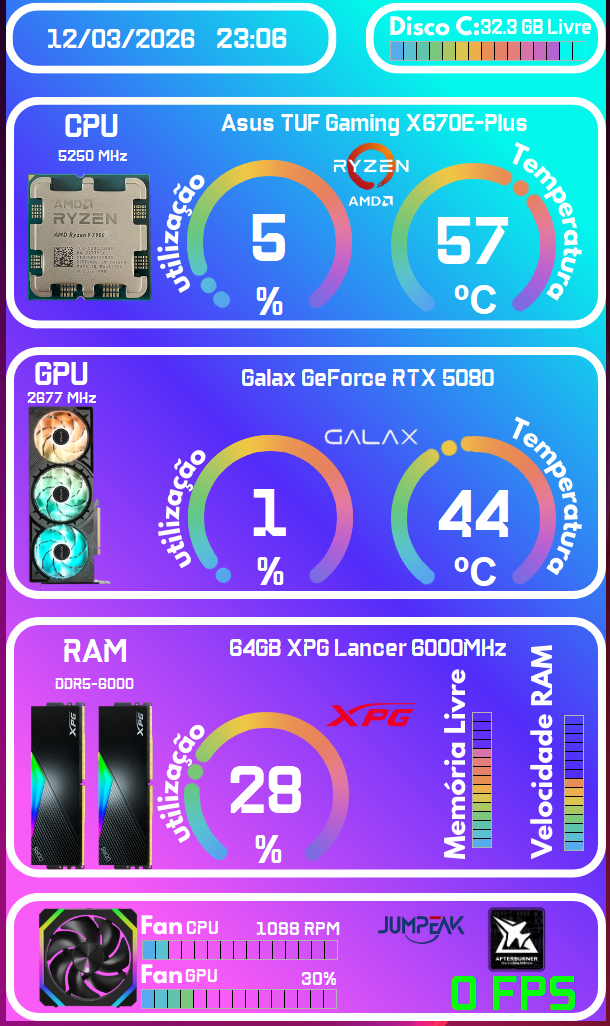
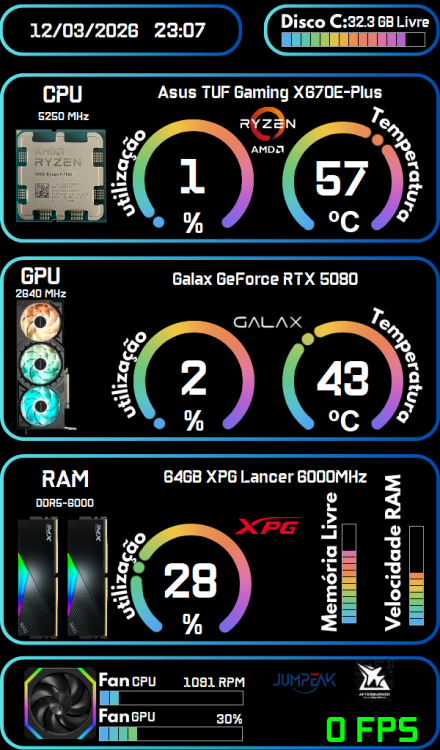
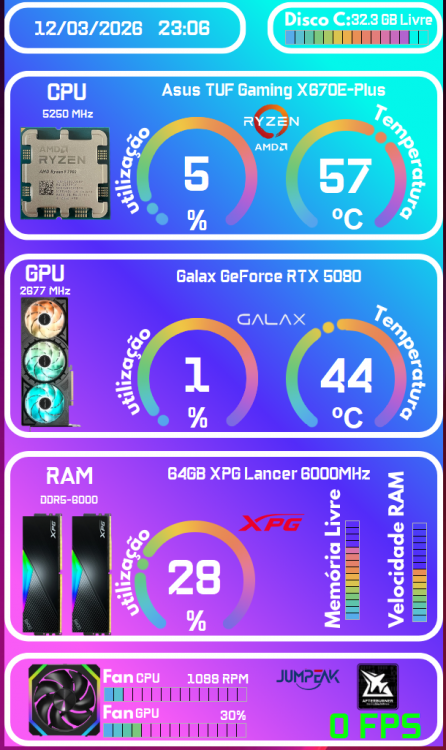
Estou a alguns dias aprendendo a mexer no painel em uma tela de 600x1024, uma grande luta até entender o funcionamento, mas consegui até um bom resultado e fiz alguns temas diferentes usando partes de alguns daqui... isso é muito viciante de mexer hehe.
 1 point
 -
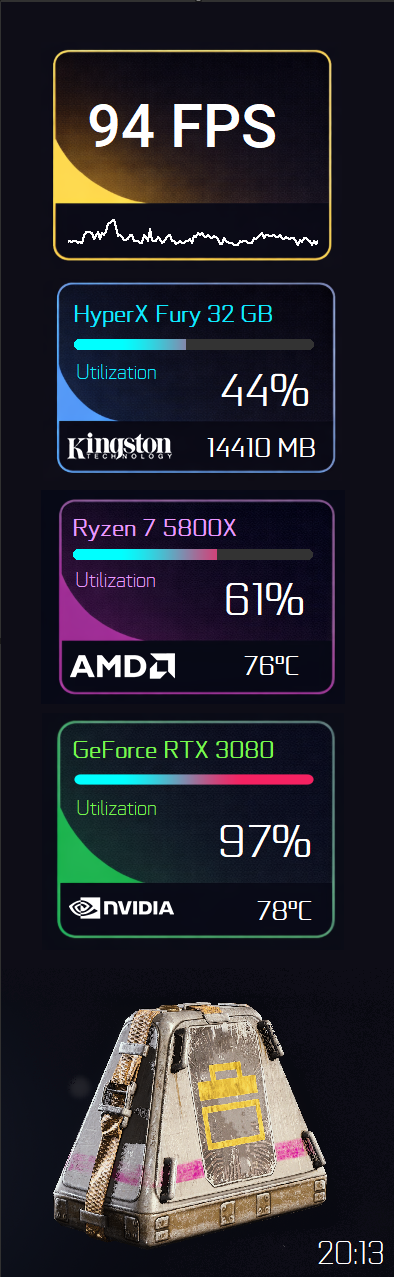
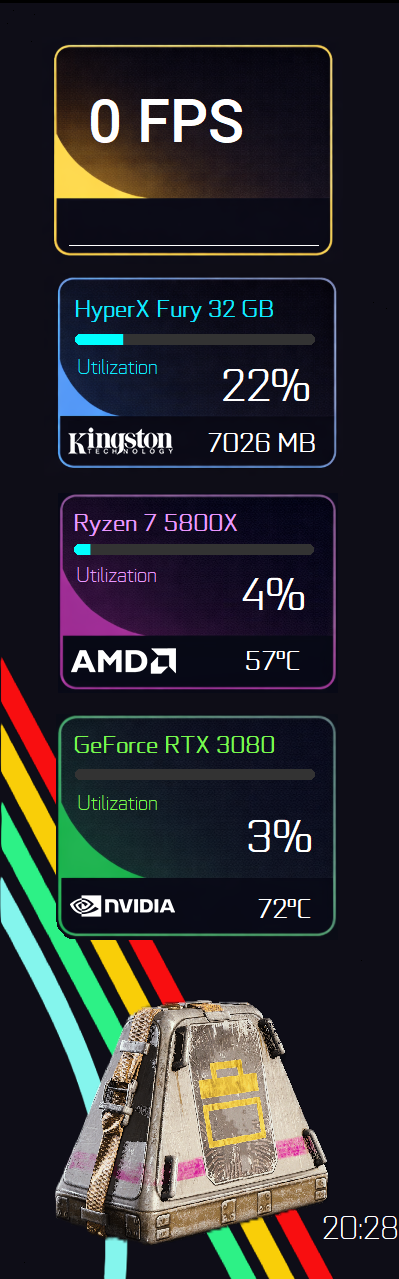
Arc Raiders ftw a little bit of goooop
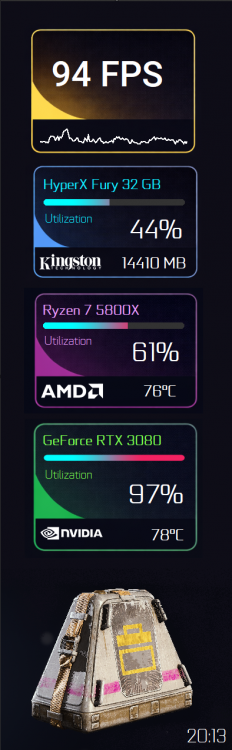
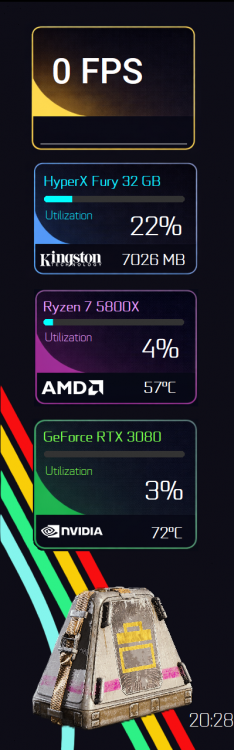 1 point
 -
news 1920x1080
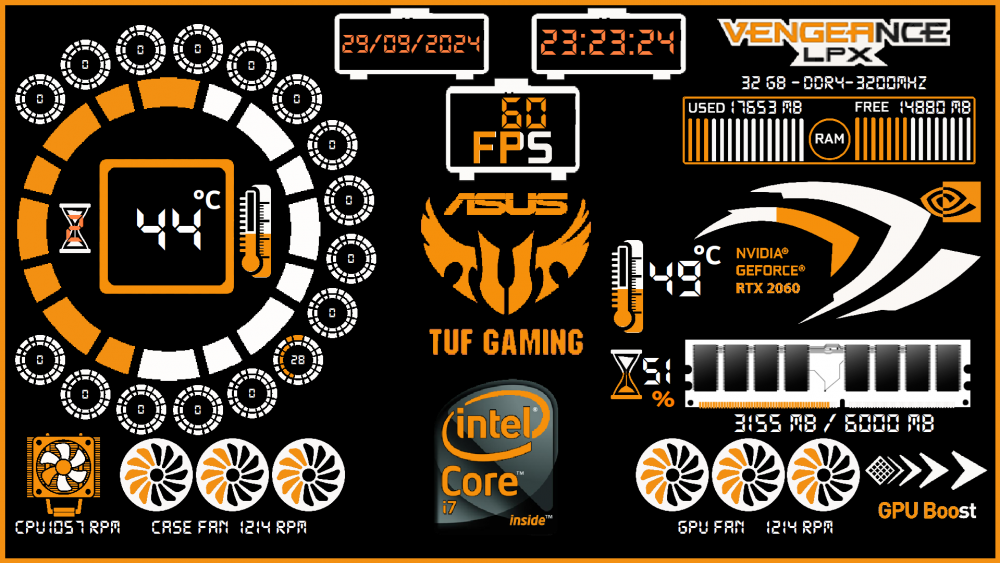 1 point
 -
can you share this panel. please PM me. Thanksd1 point